Essential Nutrients and Dietary Principles for Men's Well-being

Explore the science of nutrition through an educational lens

Educational content only. No promises of outcomes.

Understanding Dietary Foundations

A balanced diet forms the cornerstone of overall health and well-being. Understanding the fundamental components of nutrition helps us make informed choices about what we consume.

Macronutrients—proteins, carbohydrates, and fats—serve as the primary energy sources and building blocks for the human body. Each plays a distinct and vital role in maintaining physiological functions.

Beyond macronutrients, micronutrients such as vitamins and minerals facilitate countless biochemical processes that support energy production, immune function, and tissue repair.

Key Components:

  • Macronutrients: proteins, carbohydrates, and fats
  • Micronutrients: vitamins and minerals
  • Water: essential for all physiological processes
  • Fiber: important for digestive health

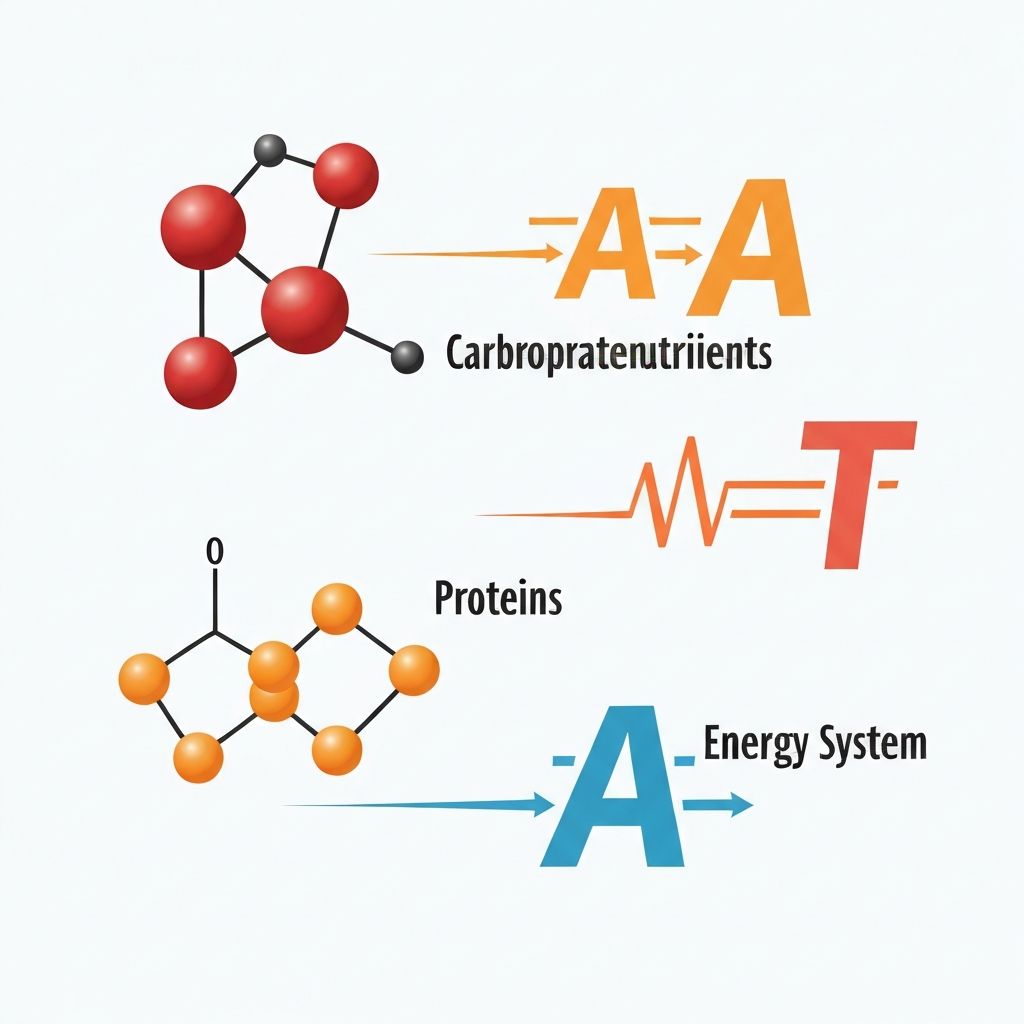
Illustration of macronutrients and their molecular structures

Key Vitamins for Men: A Closer Look

Vitamins are organic compounds that play critical roles in metabolism, immunity, and cellular function. Understanding their sources and general functions provides context for nutritional awareness.

Essential Vitamins:

  • Vitamin D: Supports bone health, immune function, and calcium absorption
  • B Vitamins: Facilitate energy metabolism and nerve function
  • Vitamin C: Supports immune health and collagen formation
  • Vitamin E: Acts as an antioxidant, protecting cells
  • Vitamin A: Essential for vision and immune response

These vitamins are found naturally in diverse food sources, contributing to the body's ability to maintain optimal functioning.

Colorful fresh fruits and vegetables rich in vitamins

Minerals and Their Roles in Male Physiology

Minerals are inorganic elements that the body requires for various physiological processes. They contribute to bone formation, nervous system function, and metabolic regulation.

Important Minerals:

  • Zinc: Involved in protein synthesis and immune function
  • Magnesium: Supports muscle and nerve function, energy production
  • Iron: Essential for oxygen transport in blood
  • Potassium: Maintains heart rhythm and fluid balance
  • Calcium: Fundamental for bone structure and muscle contraction

A balanced intake of these minerals through varied food sources supports the body's structural and functional needs.

Mineral-rich foods including seeds, nuts, and legumes

Food Sources Rich in Essential Nutrients

Understanding where nutrients come from empowers informed dietary decisions. Below is a reference guide to common food sources of key vitamins and minerals.

Nutrient Primary Food Sources General Function
Protein Fish, chicken, eggs, legumes, nuts, dairy Muscle repair, enzyme function, hormone production
Vitamin D Fatty fish, egg yolks, fortified dairy, sunlight exposure Calcium absorption, bone health, immune support
Zinc Red meat, shellfish, legumes, seeds, nuts Protein synthesis, immune function, wound healing
Magnesium Leafy greens, nuts, seeds, whole grains, legumes Muscle function, energy production, nerve transmission
Fiber Whole grains, vegetables, fruits, legumes Digestive health, blood sugar regulation
Vitamin B Complex Whole grains, eggs, fish, poultry, leafy greens Energy metabolism, nervous system support
Diverse array of nutrient-rich foods

The Importance of Balanced Diet Patterns

Rather than focusing on individual foods, understanding the concept of dietary balance provides a more holistic approach to nutrition. A balanced diet incorporates a variety of food groups in proportions that support overall health.

Variety

Consuming diverse foods ensures exposure to a broad spectrum of nutrients. Different colors and types of foods provide different nutritional profiles, contributing to comprehensive nutrient intake.

Proportion

Balance among macronutrients and a diet rich in micronutrients supports consistent energy levels and metabolic health. The concept of nutrient synergy emphasizes how foods work together.

Consistency

Regular, sustained patterns of dietary habits have greater influence on long-term health outcomes than occasional choices. Consistency in food selection reinforces positive nutritional habits.

Hydration and Men's Health

Water is the most essential nutrient, comprising approximately 60% of adult body weight. It participates in virtually every physiological process, from temperature regulation to nutrient transport.

Functions of Water:

  • Transports nutrients and oxygen throughout the body
  • Regulates body temperature through perspiration
  • Supports joint lubrication and cushioning
  • Aids in digestion and nutrient absorption
  • Maintains cognitive function and concentration

Adequate hydration is fundamental to maintaining physical performance and mental clarity. Individual water needs vary based on activity level, climate, and overall health status.

Glass of clear water symbolizing hydration

Lifestyle Factors Influencing Nutrition Absorption

The nutritional value obtained from food extends beyond what is consumed. Several lifestyle factors influence how effectively the body absorbs and utilizes nutrients.

Sleep Quality

Adequate sleep supports metabolic health and hormone regulation, which influence nutrient absorption and utilization. Sleep deprivation can impair digestive function and energy metabolism.

Stress Management

Chronic stress affects digestive health and nutrient absorption. The nervous system's interaction with digestive processes means that stress reduction supports better nutritional outcomes.

Physical Activity

Regular movement enhances circulation, which supports nutrient delivery to tissues. Exercise also influences appetite regulation and metabolic efficiency.

Debunking Common Nutritional Myths

Misinformation about nutrition is widespread. This section addresses prevalent misconceptions with factual, evidence-based perspectives.

Common Myths Clarified:

  • Myth: "All fats are bad." Reality: Healthy fats from sources like fish, nuts, and olive oil support heart and brain health.
  • Myth: "Carbohydrates should be avoided." Reality: Complex carbohydrates are essential energy sources and provide fiber and micronutrients.
  • Myth: "Eating less always leads to better outcomes." Reality: Nutritional quality and balance are more important than restriction.
  • Myth: "Natural means always better." Reality: The source and form of nutrients matter more than whether they're labeled 'natural.'
Abstract illustration representing truth and misconception

Navigating Dietary Information

In an era of abundant information, the ability to critically evaluate nutritional claims is essential. Consider these guidelines when assessing health information from various sources:

Further Reading and Resources

To deepen your understanding of nutrition and dietary principles, explore these related topics on our site:

Continue exploring our educational resources to build a comprehensive understanding of nutrition.

Books and learning materials representing educational resources
Information Disclaimer: The content on this site is provided for educational and informational purposes only. It is not intended to replace professional medical advice, diagnosis, or treatment. Always consult with qualified healthcare professionals regarding your specific health situation.